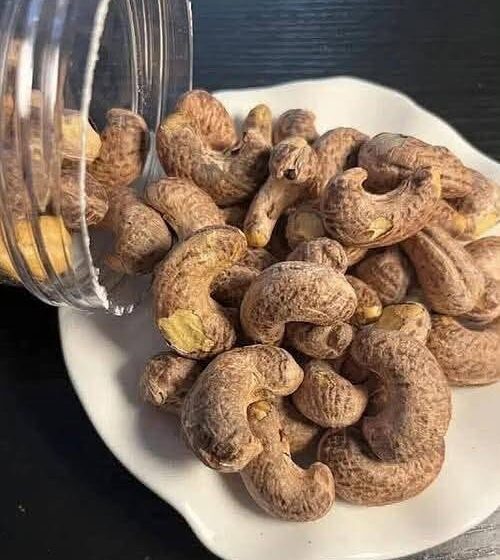
If you are looking to understand how snacking on cashews impacts your body, medical professionals and nutrition experts offer a clear, science-backed perspective. While these creamy tree nuts are celebrated for their heart-healthy fats and rich nutrient profile, eating them also comes with specific considerations regarding portion control and potential allergies.
Whether you enjoy them raw, roasted, or tossed into your favorite stir-fry, here is a detailed look at what happens to your body when you eat cashews, according to doctors and dietitians.
Why You’ll Love Adding Cashews to Your Diet
- Heart Health Support: Doctors and nutritionists note that cashews are rich in monounsaturated and polyunsaturated fats, which can help lower LDL (“bad”) cholesterol levels when eaten in moderation as part of a balanced diet.
- Nutrient and Mineral Boost: Eating cashews provides a strong dose of essential minerals like magnesium, zinc, iron, and copper, which support bone health, immune function, and energy production.
- Blood Sugar Regulation: Because they are relatively low in carbohydrates and high in healthy fats and protein, cashews can help prevent sharp spikes in blood sugar when included in meals or snacks.
- Potential for Weight Management: Despite being calorie-dense, the protein and fiber content in cashews promotes satiety, helping you feel full longer and potentially reducing overall calorie intake.
Important Health Risks and Considerations
- Allergy Risks: For individuals with tree nut allergies, consuming cashews can trigger mild to severe allergic reactions, ranging from oral allergy syndrome to life-threatening anaphylaxis.
- High Calorie Density: Eating cashews in excessive quantities can lead to unwanted weight gain due to their high caloric and fat density.
- Commercial Processing: Raw cashews naturally contain urushiol, a toxic resin found in plants like poison ivy. Because of this, raw cashews are always commercially steamed or roasted to neutralize the toxin before they are ever sold to consumers.
Tips for Enjoying Cashews Mindfully
- Watch Your Portions: Because they are calorie-dense, a standard handful (about 1 ounce or a small handful) is generally recommended by nutritionists as an ideal daily serving.
- Choose Unsalted or Lightly Salted: To maximize their cardiovascular benefits, opt for dry-roasted or raw varieties with little to no added sodium.
- Pair with Other Foods: Incorporate cashews into salads, oatmeal, or grain bowls alongside fiber-rich vegetables and fruits for a well-rounded nutritional boost.
What to Serve With Cashew-Infused Meals
Cashews bring a wonderful crunch and rich flavor that elevates both sweet and savory dishes:
- Stir-fries featuring chicken or tofu tossed in a savory garlic-ginger sauce
- Fresh, crisp Asian-inspired coleslaw or green salads
- Homemade trail mixes paired with dried fruits and dark chocolate chunks
Storage and Freshness Tips
Store raw or roasted cashews in an airtight container in a cool, dry pantry for up to a few months. To extend their shelf life and prevent the natural oils from going rancid, keep them in a sealed container or freezer bag in the refrigerator for up to 6 months or in the freezer for up to a year.