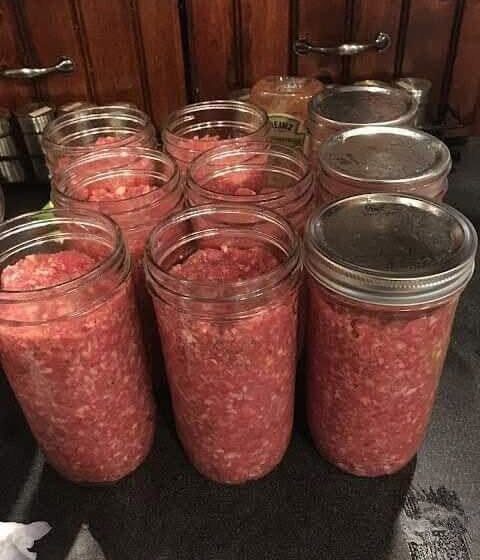
A practical guide to preserving homemade meatloaf safely, with important pressure-canning tips for long-term storage.
Homemade meatloaf is one of those comforting meals that is perfect for busy days. It’s hearty, filling, easy to customize, and makes wonderful leftovers. The idea of preserving homemade meatloaf in jars can be appealing if you want a convenient meal waiting in the pantry.
However, meatloaf is a low-acid food, which makes home canning very different from preserving jams, fruits, pickles, and other acidic foods. Safe preservation requires pressure canning and a tested process designed specifically for the food being preserved. USDA guidance states that meats should be processed in a pressure canner rather than a boiling-water canner because low-acid foods need temperatures above the boiling point to control botulism-causing spores.
Why Canning Meatloaf Requires Extra Care
Ground meat requires careful handling even before preservation. Grinding increases the surface area of the meat and can distribute harmful bacteria throughout the product. USDA recommends cooking ground beef and meatloaf to a minimum internal temperature of 160°F (71°C).
Canning introduces another concern: Clostridium botulinum.
The spores of this organism can survive ordinary boiling temperatures. In a sealed, low-oxygen jar, surviving spores can potentially grow and produce a dangerous toxin. This is why low-acid foods such as meat require pressure canning using an appropriate, tested process.
For that reason, homemade meatloaf should not be canned using a recipe created by simply adapting an ordinary baked meatloaf recipe.
Ingredients for Homemade Meatloaf
If you’re making meatloaf for immediate eating or freezing, a simple mixture can

